Every workplace is different, which means emergency training should never be a “one size fits all” exercise. A busy warehouse has very different risks compared to a small office, school, retail store, or construction site. Determining your workplace emergency training needs is one of the most important parts of keeping employees safe and making sure everyone knows what to do when something goes wrong.
Figuring out what emergency training your workplace needs is really about asking the right questions, understanding your risks and hazards, and making sure your team is prepared for realistic situations. Don’t overcomplicate it.
Start by looking at your workplace risks and hazards, identifying what kinds of emergencies could realistically happen where you work. Include your environment, equipment, people, and daily activities.
A workplace emergency could include:
Fire or smoke
Medical emergencies
Chemical spills
Severe weather
Flooding
Power outages
Gas leaks
Workplace violence
Cyber incidents
Machinery accidents
Evacuation situations
Focus on the most likely and highest-risk events. A good starting point is reviewing past incidents, near misses, hazard reports, and safety audits. These often reveal gaps in preparedness.
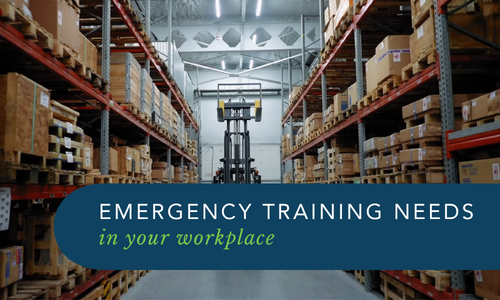
A warehouse may need forklift accident response training.
An office may focus more on evacuation and first aid.
A childcare centre may require lockdown procedures and emergency communication plans.
A remote worksite may need advanced medical response training because help could take longer to arrive.
Legislated training.
Some emergency training is legally required depending on your industry and location. In Australia, workplaces must comply with Work Health and Safety (WHS) obligations, which include providing adequate information, training, and instruction to workers.
You may need training such as:
Fire warden training
First aid certification
CPR training
Emergency evacuation procedures
Hazardous materials handling
Confined space rescue
Mental health first aid
Different industries also have specific standards or compliance rules. Checking regulations early helps ensure your training program covers mandatory requirements before adding optional extras.
For example:
Construction sites often require additional safety inductions and rescue procedures.
Healthcare facilities need infection control and patient evacuation training.
Manufacturing sites may require chemical response and machinery shutdown training.
One of the easiest ways to identify emergency training needs is simply asking employees what concerns them. Workers are often the first people to notice safety gaps because they deal with daily operations firsthand.
Do you know what to do during an emergency?
Are evacuation procedures clear?
Would you feel confident helping during a medical incident?
Are emergency exits easy to access?
Do you know who the emergency wardens are?
What emergencies concern you most?
Do you know how to use the fire safety equipment?
Don’t assume staff understand procedures when they actually don’t.
New employees never received proper induction training.
Staff don’t know where emergency equipment is located.
Night shift workers haven’t participated in drills.
Employees are unsure how to report emergencies.
These conversations can reveal training gaps very quickly.
Conducting a simple skills assessment helps determine what training is needed and who needs it most. Not every employee starts at the same level of preparedness. Some workers may already have strong emergency response experience, while others may have never participated in a drill before.
Consider questions such as:
How many employees are first aid trained?
Who knows how to use a fire extinguisher?
Are emergency wardens properly trained?
Does management understand crisis communication procedures?
Have staff practised evacuation drills recently?
You may find your workplace already has useful skills internally, but they’re unevenly distributed. If your only trained first aider works part-time, that creates a coverage problem during other shifts.
Emergency training needs can change over time. Emergency preparedness should evolve with the workplace. A workplace that was safe and manageable a year ago may now face completely different risks because of:
New equipment
Renovations
Increased staff numbers
New chemicals or materials
Different work processes
Remote or hybrid work arrangements
Changes in building layout
For example, adding a commercial kitchen introduces fire risks that office-only training may not address.
Similarly, more remote workers may require training on cyber security incidents, emergency communication apps, or home office safety. Not everyone in the workplace needs identical training. Different roles and responsibilities may require specialised emergency responsibilities, including:
Fire wardens
Chief wardens
First aid officers
Crisis management teams
Security personnel
Supervisors and managers
A general employee may only need basic evacuation and emergency reporting training, while a fire warden needs detailed instruction on coordinating emergency responses and checking designated areas. Tailoring training to roles avoids overwhelming staff with unnecessary information while ensuring critical personnel receive deeper preparation.
Emergency drills are one of the best ways to identify training needs because they show what actually happens under pressure. During drills, have someone act as an observer, noting:
Confusion or delays
Blocked exits
Communication problems
Staff who freeze or panic
Incorrect use of equipment
Employees ignoring procedures
Difficulty accounting for personnel
A drill often reveals issues that paperwork alone cannot identify. For example, you may discover that staff know the evacuation route in theory but still head toward the wrong exit during practice. That information is valuable because it highlights where additional training is needed.
Past incidents provide some of the strongest clues about future training needs. If the same problems keep appearing, training may be insufficient or unclear. Even “near misses” matter because they often reveal weaknesses before serious harm occurs. Treat incidents as learning opportunities rather than just paperwork exercises.
Examples include:
Repeated manual handling injuries
Poor emergency communication during power outages
Staff uncertainty during medical emergencies
Incorrect chemical storage practices
Employees failing to report hazards
Plan for vulnerable workers and visitors.
Emergency planning should also consider people who may need extra assistance during an emergency.
This can include:
Workers with disabilities
Pregnant employees
Older workers
Young or inexperienced staff
Contractors
Visitors and customers
Employees with limited English skills
For example, a noisy factory may require visual emergency alarms in addition to sirens. A large retail store may need staff trained to assist customers during evacuations. Training should reflect the actual people in your workplace, not just the building itself.
Prioritise the Most Important Training First.
Not every workplace has the budget or time to deliver every type of training immediately. Start with the highest-risk and highest-impact areas first. Usually, priority training includes:
1. Emergency evacuation procedures
2. Fire safety
3. First aid and CPR
4. Hazard reporting
5. Emergency communication procedures
Once those basics are covered, you can build additional training over time. The goal is steady improvement, not instant perfection.
Emergency training is ongoing. One of the biggest mistakes workplaces make is treating emergency training as a once-off task. People forget procedures over time, especially if emergencies are rare. Regular refresher training keeps knowledge current and builds confidence.
This can include:
Annual refresher courses
Toolbox talks
Practice drills
Scenario exercises
Quick emergency reminders during meetings
Short, regular training sessions are often more effective than one long presentation once every few years.
Determining emergency training needs in your workplace isn’t about ticking boxes or creating paperwork nobody reads. It’s about understanding your risks, listening to employees, and making sure people know how to respond when it matters most.
The best emergency training programs are practical, realistic, and tailored to the workplace. They focus on building confidence, improving communication, and reducing panic during stressful situations.
You don’t need a massive budget or complicated system to get started. Begin by identifying risks, reviewing current skills, involving your staff, and practising regularly.
GET IN TOUCH
Are you ready for peace of mind that your workforce is as safe and prepared as possible?
With a dedicated team of staff ready to help you meet compliance requirements and improve the overall safety of your workplace, all you need to do is get in touch.
Request your free audit today!