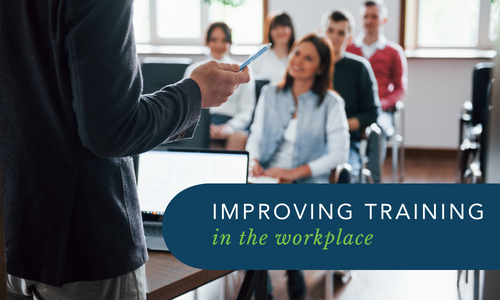
The best workplaces treat learning as a continuous process, not a one-off event. When employees see that training helps them do their jobs better and grow their careers, they’re much more likely to stay engaged and keep developing.
A good way to improve training and development at work is to make learning feel useful, relevant, easy to access, not just something employees have to sit through- and using engaging training methods.
Here are some practical strategies:
Assess Training Needs
- Ask people what they actually need help with through employee surveys, team meetings, performance reviews and manager feedback.
- Align training objectives with business goals.
Create Personalised Learning Plans
- Tailor development opportunities to individual roles, career goals, and skill levels.
- Offer a mix of beginner, intermediate, and advanced learning options.
Use a Variety of Training Methods
- Mix up the training. Not everyone learns the same way. Use a combination of online courses, workshops, shadowing, mentoring, hands-on practice and on-the-job training.
- Give people chances to use what they learn. Training sticks better when employees can apply it immediately on real projects.
Encourage Continuous Learning
- Make learning part of everyday work. Encourage employees to share tips, run quick lunch-and-learn sessions, or teach each other new skills.
- Provide access to learning resources, such as online learning platforms, webinars, and industry publications.
Give People Time to Learn
- Training is much more effective when employees have dedicated time to focus on it instead of squeezing it in between tasks.
Set Clear Learning Objectives
- Define what employees should know or be able to do after completing training. Employees should know what they’re expected to learn and how it will help them in their role.
- Ensure objectives are measurable and relevant.
Provide Regular Feedback and Coaching
- Managers should check in often, not just during annual reviews, and help employees keep improving.
- Encourage peer mentoring and knowledge sharing.
Evaluate Training Effectiveness
- Measure outcomes using assessments, employee feedback, job performance, and business metrics.
- Adjust training programs based on evaluation results.
Support Career Development
- Help employees set development goals and show them how new skills can lead to promotions or new opportunities.
- Offer opportunities for job rotations, stretch assignments, leadership development, and succession planning.
- Help employees create long-term career development plans.
Leverage Technology
- Use technology to make learning easier. Short videos, mobile learning apps, and online learning platforms can make training more flexible and engaging.
Recognize and Reward Learning
- Celebrate completed courses, certifications, or noticeable skill improvements. A little recognition goes a long way.
Benefits of Effective Training and Development
- Improved employee performance and productivity.
- Higher employee engagement and job satisfaction.
- Better retention of skilled employees.
- Increased innovation and adaptability.
- Stronger leadership pipeline.
- Enhanced organizational competitiveness.
The biggest thing is creating a culture where learning is encouraged, not just required. When employees can see that developing new skills helps them do their job better and grow their career, they’re usually much more motivated to participate.
GET IN TOUCH
Are you ready for peace of mind that your workforce is as safe and prepared as possible?
With a dedicated team of staff ready to help you meet compliance requirements and improve the overall safety of your workplace, all you need to do is get in touch.
Request your free audit today!