
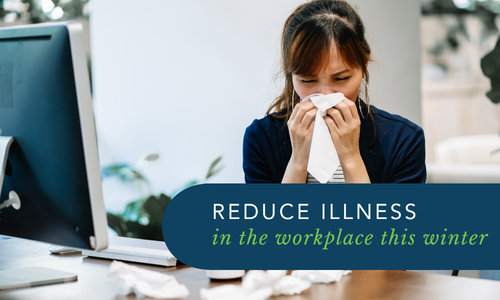
As the colder months arrive, so does the increase in seasonal illnesses such as colds, the flu and other viruses. While it’s impossible to eliminate every illness, workplaces can take practical steps to reduce the spread of germs and create a healthier environment for everyone.
A healthy workforce isn’t just good for employees it also benefits the business. Fewer sick days, increased productivity, better morale and a safer workplace all contribute to a more successful organisation.
Why Keeping Staff Healthy Matters
Your employees are your greatest asset. When illness spreads through a workplace, it can quickly affect multiple team members, disrupting operations and increasing workloads for those who remain at work.
Promoting good health in the workplace helps to:
- Reduce absence.
- Improve productivity and team performance.
- Protect vulnerable employees and visitors.
- Maintain business continuity.
- Create a positive workplace culture where staff feel valued and supported.
Encouraging healthy habits demonstrates that the organisation cares about the wellbeing of its people, which can improve employee satisfaction and engagement.
Keep Your Workplace Germ Free
Many viruses spread through contaminated surfaces and close contact. Implementing simple hygiene practices can significantly reduce the risk of transmission.
Some effective ways to keep your workplace clean include:
- Regularly disinfect high-touch surfaces such as door handles, light switches, keyboards, phones, desks and shared equipment.
- Ensure bathrooms and kitchen areas are cleaned frequently and stocked with soap and paper towels.
- Provide hand sanitiser throughout the workplace, particularly in shared spaces and meeting rooms.
- Encourage staff to wash their hands regularly, especially after coughing, sneezing, using the bathroom or before eating.
- Improve ventilation by opening windows where possible or ensuring air conditioning systems are properly maintained.
- Clean shared equipment between users whenever practical.
Good housekeeping is one of the simplest yet most effective ways to reduce the spread of illness.
Support Employees with Flexible Work Arrangements
Not every illness requires complete bed rest, but it does require consideration for the health of others. Where practical, offering flexible working arrangements such as working from home can allow employees who are well enough to continue working without exposing their colleagues to illness.
Flexible work options also help reduce the spread of viruses throughout the workplace and demonstrate that the organisation values employee wellbeing. Employees are far more likely to make responsible decisions when they know they have alternatives to coming into the office while unwell.
Make Your Sick Leave Policy Clear and Easy to Follow
A well-written sick leave policy removes uncertainty and helps employees understand exactly what they should do if they become unwell. Staff should know:
- Who they need to notify if they are sick.
- When they should report their absence.
- What information they need to provide.
- When a medical certificate is required.
- Whether flexible or remote working options are available.
Keeping policies simple, accessible and regularly communicated encourages employees to stay home when they are sick rather than feeling pressured to attend work. Managers should also lead by example, reinforcing that protecting the health of the entire team is more important than “pushing through” an illness.
Creating a Healthy Workplace Culture
Reducing sickness isn’t just about cleaning, it’s about creating a culture that supports health and wellbeing.
Leaders play a significant role in setting expectations. Encourage staff to stay home when they are unwell, promote flexible working arrangements where possible, provide clear and easy-to-follow sick leave procedures, and ensure employees have access to the resources they need to maintain good hygiene and wellbeing.
When employees know they will be supported if they become sick, they are more likely to make decisions that protect both themselves and their colleagues. Combined with good hygiene practices and regular cleaning, these measures create a healthier, safer and more productive workplace for everyone.
Tips to Stay Healthy This Winter
Preventing illness starts with healthy daily habits. Encourage your team to:
- Wash hands regularly with soap and water for at least 20 seconds.
- Cover coughs and sneezes with a tissue or their elbow.
- Avoid touching their face unnecessarily.
- Stay up to date with recommended vaccinations, including the annual flu vaccine where appropriate.
- Get adequate sleep each night to support the immune system.
- Eat a balanced diet rich in fruit and vegetables.
- Stay hydrated throughout the day.
- Exercise regularly to maintain overall health.
- Dress appropriately for colder weather.
- Clean personal workspaces regularly.
Small habits practised consistently can make a significant difference during winter.
At Workplace Emergency Management, we believe that a healthy workplace is a safer, stronger and more productive workplace. Creating a positive workplace culture, implementing clear policies and providing staff with the knowledge and confidence to make safe decisions all play an important role in reducing illness and supporting business continuity.
Whether you’re looking to review your workplace policies, deliver practical staff training, strengthen your health and safety procedures, or simply have a conversation about how you can create a healthier work environment, our team is here to help.
GET IN TOUCH
Are you ready for peace of mind that your workforce is as safe and prepared as possible?
With a dedicated team of staff ready to help you meet compliance requirements and improve the overall safety of your workplace, all you need to do is get in touch.
Request your free audit today!