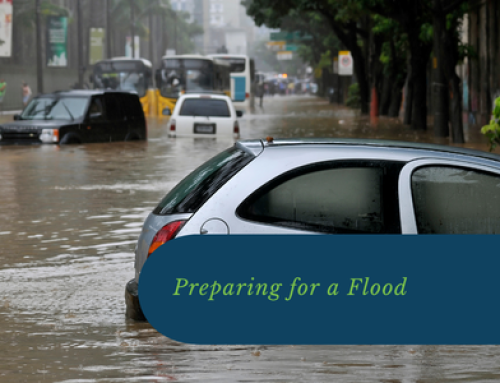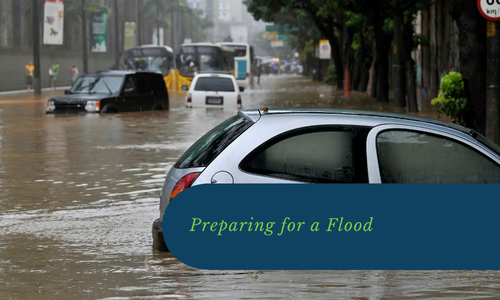
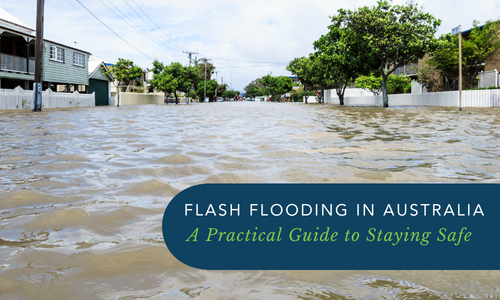
In Australia we face a range of extreme weather events, and flash flooding is among the most dangerous. Flash floods can strike with little warning, creating perilous conditions for individuals and communities Understanding Flash Flood Risk, unlike river flooding, which develops more slowly as rivers overflow, flash floods occur suddenly when intense rainfall overwhelms drainage systems, waterways, or saturated ground. They often happen within minutes or hours of heavy rain and can devastate urban areas, rural communities, and even relatively dry regions.
Flash flooding poses a particular threat in built-up areas where stormwater drains may be inadequate or blocked, and water cannot absorb quickly into the ground.
The NSW SES warns that flash flooding can occur far from traditional flood zones, making it essential for all residents, not just those near rivers or the coast, to be prepared.
QFD and Get Ready Queensland encourage people to stay alert to sudden changes in weather and heed official warnings, especially during severe thunderstorms and heavy rain events.
Preparing for Flash Flooding
Due to their rapid onset, flash floods leave very little time to react, making preparation the key. The first step is assessing whether your property or business is at risk. Even if you’re not in a traditional floodplain, your area could still experience flash flooding during intense rainfall.
To prepare some recommendations are as follows.
- Clearing gutters, drains, and downpipes regularly.
- Checking local stormwater infrastructure and reporting any blockages to your local council.
- Keeping outdoor items secured or stored, so they don’t become hazards during fast moving water.
- QFD recommends ensuring your home has proper drainage around its foundation, and installing flood barriers or sandbags in flood-prone locations on your property if advised.
Developing and Practicing a Flash Flood Emergency Plan
Having an emergency flood plan is critical especially for flash flooding, where time is limited. Your plan should outline:
- How to evacuate quickly. Know the safest routes and alternative exits if roads are cut off.
- Where to go. Identify higher ground or a friend or relative’s home that is outside the flood-prone area, where community refugee locations are.
- How to communicate. Keep a list of emergency contacts, and make sure all family members know who to call and where to meet.
- Special needs. Plan for pets, elderly family members, and people with mobility or medical needs.
The Get Ready Queensland website provides a household emergency plan template that you can customise. Practicing your plan regularly is essential, under stress, muscle memory and familiarity can be lifesaving.
Assembling an Emergency Kit for Flash Floods
Because flash floods can hit so quickly, having an emergency kit ready to grab is essential. Your kit could include:
- Drinking water and non-perishable food
- Medications and first aid supplies
- Flashlights, extra batteries, and portable phone chargers
- Copies of important documents (in waterproof storage)
- Clothing, hygiene supplies, and face masks
- Emergency contact list
Keep your kit somewhere accessible, preferably near an exit. and check it regularly to replace expired items.
Responding During a Flash Flood
When flash flooding is imminent or occurring, the most important rule is: never enter floodwaters. Even 15 cm of fast-moving water can knock you off your feet, and 30 cm can sweep away a car. QFD’s message is clear: “If it’s flooded, forget it.”
If evacuation is necessary, leave immediately and head for higher ground. Do not wait to see how bad conditions will get, by the time floodwaters are rising, it may be too late. If you’re trapped indoors, move to the highest point in the building and call emergency services.
Stay tuned to local radio, SES updates, or the “Hazards Near Me” app in NSW for real-time information.
Recovering from Flash Flooding
Flash floods can leave behind significant damage and health risks. Once authorities declare it safe, return home cautiously. Before entering your property, check for structural damage, fallen power lines, or gas leaks and action those immediately.
Take photographs of damage for insurance claims, and contact qualified electricians or plumbers before turning utilities back on. Mould and contaminated floodwater can pose serious health hazards, so wear protective gear when cleaning up, and discard any water-damaged furniture, insulation, or food.
Flash floods are fast, dangerous, and unpredictable, but with awareness and preparation, their impact can be reduced. Understanding your local risk, creating a solid emergency plan, assembling an emergency kit, and responding promptly to warnings are all essential components of flash flood safety.
Government agencies like the NSW SES, QFES, and Get Ready Queensland provide vital resources and guidance. By using these tools and staying proactive, Australians can protect their families, homes, and communities from the devastating effects of flash flooding.
GET IN TOUCH
Are you ready for peace of mind that your workforce is as safe and prepared as possible?
With a dedicated team of staff ready to help you meet compliance requirements and improve the overall safety of your workplace, all you need to do is get in touch.
Request your free audit today!