Summer is creeping up on us again and how nice does that warmer weather feel? But for people who work outside, it can also be one of the most challenging and dangerous times of the year. Workers in industries such as construction, road maintenance, landscaping, gardening, agriculture and transport can spend long hours exposed to the sun and heat. Outdoor workers need to be aware of the risks and take extra care to protect themselves.
Keeping workers safe during summer is more than providing sunscreen and drinking water. It is about creating a workplace where safety is taken seriously, workers understand the risks and everyone looks out for each other.
Risks of working in the heat
One of the biggest risks for outdoor workers during summer is heat-related illness. Spending long periods in high temperatures, especially while doing physically demanding work, can put a lot of pressure on the body.
Heat exhaustion and heatstroke are two serious conditions that can occur when the body struggles to keep itself cool. Signs of heat exhaustion include headaches, dizziness, nausea, heavy sweating, weakness and feeling faint. Heatstroke is much more serious and can become life-threatening. Symptoms can include confusion, collapse, seizures and very high body temperature.
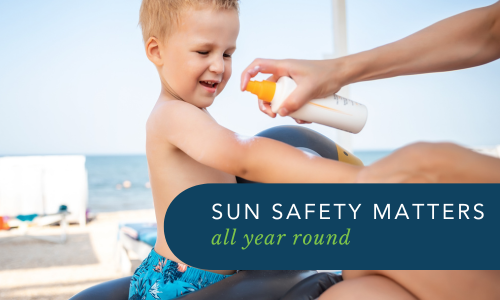
Sun exposure is another major concern. Too much exposure to ultraviolet (UV) radiation can cause sunburn, premature ageing and increase the risk of skin cancer. Even on cloudy days, UV levels can be high enough to cause damage.
Other summer hazards include dehydration, fatigue, glare from the sun and hot equipment or surfaces. These conditions can affect concentration and increase the chance of workplace accidents and injuries. Educate your workers on the symptoms & the first aid to use for anyone affected.
Work around the weather
One of the easiest ways to reduce the risks of working outdoors during summer is to plan work around the weather. Having a plan in place before the hot weather arrives makes it much easier to protect workers and avoid unnecessary risks.
Where possible, employers should schedule physically demanding jobs for earlier in the morning or later in the afternoon when temperatures are cooler. Jobs that involve heavy lifting, digging, mowing or working with machinery can be particularly exhausting during the hottest part of the day.
Employers should also keep an eye on weather forecasts, temperature readings and UV levels. If extreme heat is expected, work arrangements may need to change. This could mean moving work to a cooler time, providing additional breaks or postponing certain tasks.
Stay hydrated and take regular breaks
Drinking enough water is extremely important when working outside during summer. Workers can lose a lot of fluid through sweating, particularly when doing physical work in hot conditions.
Fresh drinking water should always be readily available and workers should be encouraged to drink regularly throughout the day rather than waiting until they feel thirsty. Consider having electrolytes that can be added to drinking water available in first aid kits.
Taking regular breaks is just as important. Workers should have access to shaded or cool areas where they can rest and recover from the heat. During very hot conditions, more frequent breaks may be needed.
It is important that workers do not feel pressured to keep working when they are struggling with the heat. Taking a break is not wasting time. It is a sensible way to prevent illness and keep everyone safe.
Clothing and sun protection
Wearing suitable clothing can make a big difference when working outdoors in summer. Lightweight, loose-fitting clothing that covers the skin can help protect workers from the sun while still allowing airflow. Choose clothing options that provide SPF rated shirts.
Wide-brimmed hats or hard-hat attachments that provide shade around the face, ears and neck should be used where appropriate. Sunglasses that provide UV protection can also help reduce glare and protect the eyes.
Sunscreen should be another essential part of every outdoor worker’s daily routine. A broad-spectrum, water-resistant SPF 50 or 50+ sunscreen should be applied to exposed skin and reapplied at least every two hours, or more often if sweating heavily.
Employers should make sunscreen easily available at the workplace and remind workers to use it regularly. Sun protection should become part of the normal daily safety routine, just like wearing safety boots or a high-visibility vest.
Look out for each other
One of the most important parts of workplace safety is making sure workers look after one another.
Sometimes people do not realise they are becoming overheated or dehydrated until they start feeling unwell. This is why it is important for workers to check in with each other throughout the day.
Supervisors should be aware of the signs of heat-related illness and encourage workers to speak up if they are feeling dizzy, sick, unusually tired or uncomfortable.
New workers and those who are not used to working in hot conditions may need extra attention. They should be given time to gradually adjust to working in the heat rather than being expected to complete a full day of demanding work straight away.
If someone shows signs of heatstroke, work must stop and emergency medical assistance should be called immediately. The person needs to be cooled down as quickly as possible while waiting for help.
Create a safe and supportive workplace
Employers have an important responsibility to provide a safe working environment, especially during the summer months. This means identifying potential hazards, providing suitable equipment and making sure workers receive the right training.
Workers should understand the dangers of heat exposure, know how to recognise early warning signs and understand what action to take if someone becomes unwell.
Having access to shade, cool drinking water, first aid supplies and suitable protective equipment should be a basic part of every outdoor workplace.
It is also important to create an environment where workers feel comfortable raising concerns. If someone believes the conditions are too hot or unsafe, they should be able to speak up without worrying about being criticised or pressured to continue.
Regular toolbox talks are a good way to remind workers about summer safety. These short discussions can cover hydration, sunscreen, weather conditions, rest breaks and recognising the signs of heat stress.
Make summer safety everyone’s responsibility
Keeping outdoor workers safe during summer is something that requires teamwork. Employers need to provide the right conditions, equipment and support, while workers need to take responsibility for following safety procedures and looking after themselves and their workmates.
It is easy to become focused on getting the job done, particularly when deadlines need to be met. However, no job is so important that it is worth putting someone’s health or safety at risk.
A little planning and preparation can make a big difference. Providing water, organising regular breaks, checking weather conditions and making sure workers have suitable sun protection are all simple steps that can prevent serious problems.
At the end of the day, everyone deserves to finish work safely and go home in good health. By taking summer safety seriously and looking out for one another, we can create outdoor workplaces where people can do their jobs safely, even when the temperatures start to rise.
GET IN TOUCH
Are you ready for peace of mind that your workforce is as safe and prepared as possible?
With a dedicated team of staff ready to help you meet compliance requirements and improve the overall safety of your workplace, all you need to do is get in touch.
Request your free audit today!