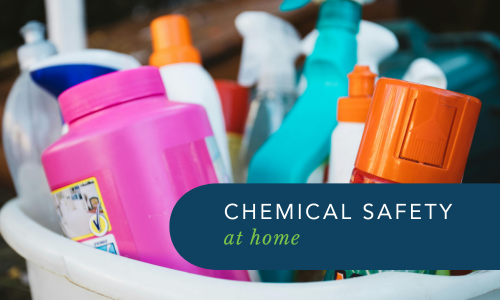
Modern homes are filled with chemical products: cleaning agents, pesticides, paints, fuels, and cosmetics. Chemicals are part of daily living. However, while these substances serve useful purposes, they can also pose serious health and environmental risks if misused or improperly stored.
Using chemicals safely at home involves understanding potential hazards, using products responsibly, and storing them in ways that prevent accidents. There are probably many people reading this, remembering the garage or shed that had bottles or jars with faded, handwritten names on them.
Chemical safety at home depends on awareness, responsibility, and consistent habits. By taking a few practical precautions, households can significantly reduce the risks of poisoning, fire, and contamination.
Understanding Chemical Hazards
Chemicals can be hazardous for several reasons. Some are toxic, meaning they are poisonous with the potential to cause death or serious debilitation. Others are corrosive, meaning they can burn skin or damage materials like metal or plastic. Some are flammable or explosive, especially when exposed to heat or sparks. Even common household items such as bleach, ammonia, and gasoline can cause harm if handled carelessly.
Many accidents occur because people underestimate the dangers of everyday products. Understanding labels and hazard symbols is the first step toward chemical safety. In most countries, manufacturers use pictograms to indicate risks — for example, a flame for flammable substances, a skull and crossbones for toxicity. Reading these labels carefully before use helps users identify potential risks and take appropriate precautions.
Safe Storage of Household Chemicals
1. Keep chemicals in their original containers.
Original packaging provides essential information about contents, hazards, and first-aid instructions. Transferring chemicals into other containers — especially familiar looking food or drink bottles (CocaCola) bottles being a great example— can lead to dangerous confusion and accidental ingestion, particularly among children and pets.
2. Store chemicals in cool, dry, and well-ventilated areas.
Heat, sunlight, and moisture can cause chemical reactions, leaks, or the release of toxic fumes. For example, aerosol cans may explode if stored in high temperatures. Petrol, paint thinner, kerosene & flammable liquids should be kept away from stoves, heaters, or electrical outlets. A locked, ventilated cabinet in a garage or shed is often the safest option.
3. Separate incompatible substances.
It’s important to read product labels for compatibility information and store substances that might react with each other on separate shelves or in different cabinets. Certain chemicals react violently when mixed. Bleach and ammonia, for instance, create toxic chloramine gases. Similarly, acids should be kept away from bases or oxidizing agents.
4. Keep chemicals out of reach of children and pets.
Many poisoning incidents involve young children exploring under sinks or in laundry rooms. Installing childproof locks on cabinets and storing hazardous materials on high shelves can prevent such accidents. Products that have flimsy closures, such as zip locks on packets for dish washer tablets could be placed in a plastic food storage container The same applies to pet owners, as animals may chew or spill containers.
5. Label homemade solutions and mixtures.
Sometimes, people mix cleaning agents or make diluted solutions for household chores. These mixtures should be clearly labelled with their contents and date of preparation. Unmarked bottles can easily be mistaken for something harmless. As mentioned earlier, remember not to store them in containers that people know well & mistake them for a soft drink.
Safe Use of Chemicals
1. Read and follow instructions carefully.
Manufacturers include specific guidance for safe use, dilution ratios, and protective measures. Ignoring instructions can result in overexposure or chemical burns. Always follow the directions on the label, even for products used frequently.
2. Use protective gear.
When using strong cleaning agents, pesticides, or solvents, it’s important to cover exposed skin and ensure adequate ventilation. Gloves, masks, and safety glasses are inexpensive yet effective barriers against chemical splashes, vapours and skin contact.
3. Avoid mixing products.
Combining cleaners might seem like a shortcut to better results, but it can be dangerous. For example, mixing bleach with toilet bowl cleaner or vinegar releases chlorine gas, which can cause breathing difficulties and lung damage. Each product is formulated to work safely on its own.
4. Ventilate the area.
When using products that emit fumes, such as paints, varnishes, or oven cleaners, open windows and doors to promote airflow. Use fans if possible, to disperse vapours and reduce inhalation risks.
5. Clean up spills immediately.
Chemical spills should be wiped up quickly while wearing protective gloves. For large spills, absorbent materials like paper towels or kitty litter can help contain the mess before safe disposal. Avoid using water to dilute flammable or reactive substances unless the label recommends it.
6. Wash hands and clothing after use.
After handling chemicals, wash hands thoroughly with soap and water to remove residues. Contaminated clothing should be laundered separately to avoid spreading chemicals to other garments.
Disposal of Chemical Products
Improper disposal of household chemicals can harm the environment. Pouring leftover paint, oil, or pesticide down drains or into soil contaminates water sources and disrupts ecosystems. Instead, follow these safe disposal practices:
Use up products completely when possible to minimize waste.
Follow local disposal guidelines — many councils provide hazardous waste collection services for chemicals, batteries, and electronic waste.
Never mix waste chemicals together, as unknown reactions can occur.
Recycle or return items like motor oil or rechargeable batteries to designated drop- off points.
Responding to Chemical Emergencies
Despite precautions, accidents can still happen. Knowing how to respond quickly can prevent serious injury.
Keep emergency numbers — in a visible and accessible place in the home.
Poisons information 13 11 26
Emergency services 000
For skin contact: Rinse the affected area with plenty of running water for at least 15 minutes. Remove contaminated clothing immediately.
For eye contact: Flush eyes with clean water for at least 15 minutes and seek medical attention right away.
For ingestion: Do not induce vomiting unless instructed by a medical professional. Contact a poison control centre or emergency service immediately.
For inhalation: Move the person to fresh air and loosen tight clothing. If breathing difficulty persists, seek medical help urgently.
Reducing Chemical Dependence
An effective long-term safety strategy is to reduce the number of hazardous chemicals used at home. Many safer, eco-friendly alternatives are now available. For example:
Vinegar, baking soda, and lemon juice can replace many cleaning products.
Microfiber cloths often clean surfaces effectively without any chemicals.
Natural insect repellents and essential oils can reduce pesticide use.
Choosing green products not only lowers risk but also benefits the environment by reducing chemical runoff and packaging waste.
Ultimately, the goal is to make the home both clean and safe — a place where chemicals serve their purpose without endangering health or wellbeing. By reading labels, storing products correctly, wearing protective gear and knowing what to do in an emergency, we can prevent injuries, poisonings, and fires in our homes. Safe disposal and a shift toward less toxic alternatives further reduce risks and environmental impact.
Chemical safety at home depends on awareness, responsibility, and consistent habits.
GET IN TOUCH
Are you ready for peace of mind that your workforce is as safe and prepared as possible?
With a dedicated team of staff ready to help you meet compliance requirements and improve the overall safety of your workplace, all you need to do is get in touch.
Request your free audit today!