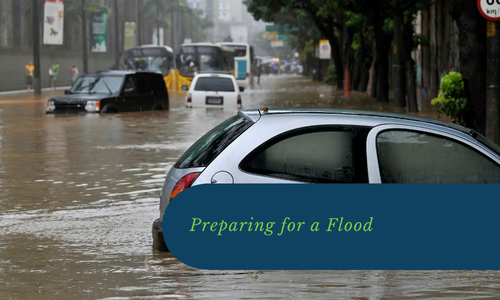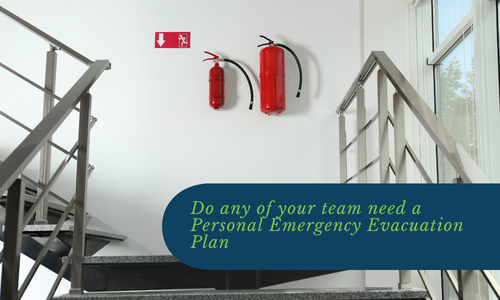
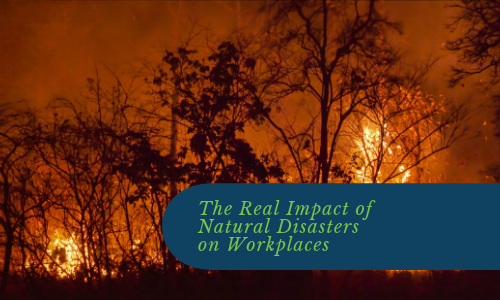
Natural disasters such as bushfires, floods, cyclones and severe storms can have a serious impact on workplaces. Good emergency planning helps protect people, reduce disruption and keeps businesses operating. The most important priority is keeping people safe. Employees, contractors, visitors and vulnerable people all rely on clear emergency management processes.
Everyone should know what to do, where to go and who is responsible for managing the emergency. A disaster can affect a business long after the immediate danger has passed. Property damage, power outages, communication failures, damaged equipment and supply problems can prevent a business from operating normally.
This is why emergency planning should be supported by a business continuity plan that explains how the organisation will continue operating and recover after an emergency.
Under Work Health and Safety (WHS) legislation, businesses must take reasonably practicable steps to protect workers and others from health and safety risks.
Natural disasters that are reasonably foreseeable for your location should therefore be considered when planning for emergencies.
The emergency plan must cover areas including:
- Emergency Planning Committees (EPC)
- Emergency Control Organisations (ECO)
- Emergency procedures
- Emergency identification
- Warden responsibilities
- Emergency training
- Testing and exercises
- Reviewing emergency plans
Emergency Planning Committee
The EPC conducts a workplace risk assessment and helps identify possible emergencies and oversees the development and review of the emergency plan.
This should include natural hazards relevant to the workplace’s location. The ECO is the trained team responsible for managing an emergency at the workplace. Everyone should understand their role before an emergency occurs. Emergency procedures need to be understood and regularly tested.
AS 3745:2010 calls for emergency exercises to be conducted at least once every 12 months, with records kept of the testing and any issues identified. One important point is that an emergency plan and a business continuity plan are not the same thing.
An emergency plan helps answer: “How do we keep people safe during the emergency?”
A business continuity plan helps answer: “How do we keep the business operating and recover afterwards?”
For example, an evacuation plan may help people safely leave a workplace during a flood or bushfire. It doesn’t necessarily address damaged equipment, lost data, temporary premises, suppliers or how the business will resume trading. Both plans have an important role to play.
Building a Natural-Disaster-Ready Workplace
1. Identify Your Natural Hazards
Consider the hazards that are relevant to your location, such as:
- Flood
- Bushfire
- Cyclone
- Severe storms
- Earthquake
Your emergency plan should reflect the actual risks facing your workplace.
2. Train Your EPC and ECO
Make sure the people responsible for emergency management understand their roles and receive appropriate training. The response to a natural disaster may also be different from a standard fire evacuation. In some situations, shelter-in-place may be more appropriate than evacuation.
3. Keep Your Emergency Plan Up to Date
Your plan should clearly explain:
- Emergency procedures
- Evacuation routes
- Assembly areas
- Emergency service notification
- First aid arrangements
- Communication procedures
- Warden responsibilities
4. Test Your Plan
A plan that has never been tested may not work as expected. Conduct regular emergency exercises, record the results and fix any problems identified.
5. Have a Business Continuity Plan
Consider what your business will do if it cannot operate normally. This could include:
- Data backup and recovery
- Alternative work locations
- Communication with customers
- Supplier alternatives
- Temporary equipment
- Recovery procedures
6. Review Your Plan Regularly
Don’t wait for the maximum review period. Review your emergency arrangements after significant changes to the workplace, staffing or occupancy, and after emergencies or exercises identify problems.
7. Consult Your Workers
Workers can often identify practical problems that may not be obvious during a desktop review. Consulting workers when developing and reviewing emergency arrangements can help create a plan that works in the real world.
Compliance Is Just the Starting Point, Meeting your WHS obligations and aligning your emergency planning with AS 3745:2010 is an important foundation. But effective emergency management goes further.
A resilient workplace has a clear emergency plan, trained people, regular testing, business continuity planning and ongoing review.
Don’t wait until the next bushfire, flood or cyclone to find out whether your emergency plan actually works. Review your emergency arrangements now, while you have time to prepare.
GET IN TOUCH
Are you ready for peace of mind that your workforce is as safe and prepared as possible?
With a dedicated team of staff ready to help you meet compliance requirements and improve the overall safety of your workplace, all you need to do is get in touch.
Request your free audit today!