
Your home should be your safe haven—but hidden dangers can turn it into a risk zone without you even realising it. In Australia, thousands of injuries occur every year from hazards most people overlook. From everyday items to environmental threats, these risks can affect anyone, anywhere. The good news? With a little awareness and a few simple changes, you can make your home safer for everyone. Let’s uncover the Top 10 Home Safety Hazards and how to prevent them.
1. Slips, Trips and Falls
Falls are the leading cause of injury hospitalisations in Australia, especially among children and older adults. Wet bathroom floors, loose rugs, and cluttered hallways are common culprits.
Prevention Tip: Install non-slip mats, secure rugs, and add handrails to stairs and bathrooms.
2. Faulty Electrical Wiring & Overloaded Outlets
Old wiring, damaged cords, and overloaded power boards can spark fires or cause electric shocks.
Prevention Tip: Have a licensed electrician check your wiring, use safety switches (RCDs), and avoid daisy-chaining power boards.
3. Kitchen Sharp Objects & Power Tools
Knives, graters, and blender blades cause thousands of injuries annually. DIY projects add risk with power tools and ladders.
Prevention Tip: Store sharp items safely, wear protective gear, and follow tool instructions carefully.
4. Out-of-Date or Malfunctioning Smoke Alarms
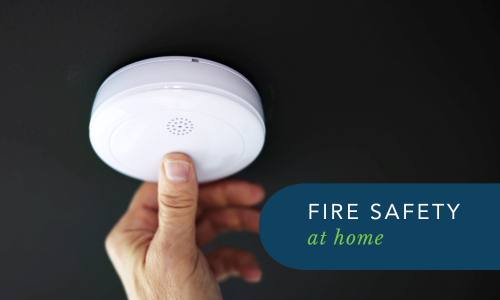
Smoke alarms save lives—but only if they work. Many homes have expired or inactive alarms.
Prevention Tip: Test alarms monthly, replace batteries twice a year, and consider long-life sealed units.
5. DIY Accidents
Nearly 80% of DIY injuries involve falls from ladders or misuse of tools.
Prevention Tip: Use stable ladders, never overreach, and wear eye and hand protection.
6. Unsecured Furniture & TV Tipping
Heavy furniture and TVs can topple, causing severe injuries to children.
Prevention Tip: Anchor tall furniture and TVs to wall studs—even in rental properties.
7. Pool & Spa Risks
Despite fencing laws, backyard pools remain a major drowning hazard for young children.
Prevention Tip: Ensure compliant fencing, self-closing gates, and constant supervision.
8. Poisoning from Household Chemicals & Medications
Cleaning products, pesticides, and medications are often stored within reach of kids.
Prevention Tip: Lock chemicals and medicines in high cabinets and keep them in original containers.
9. Burns & Scalds
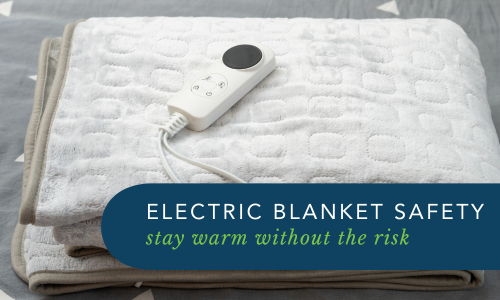
Hot drinks, stovetops, and electric blankets cause burns and scalds, especially in children and the elderly.
Prevention Tip: Keep hot items away from edges, unplug blankets when not in use, and mark hot surfaces.
10. Poor Home Ventilation & Air Quality
Indoor pollutants from wood heaters or bushfire residue can trigger respiratory issues.
Prevention Tip: Ventilate rooms regularly, maintain heating systems, and monitor air quality during bushfire season.
Home safety isn’t just about locks and alarms—it’s about awareness and action. By addressing these hidden hazards, you can protect your family and create a safer living environment.
Start today: walk through your home, identify risks, and make small changes that could prevent big accidents. Your home should be a place of comfort—not danger. Stay safe!!
GET IN TOUCH
Are you ready for peace of mind that your workforce is as safe and prepared as possible?
With a dedicated team of staff ready to help you meet compliance requirements and improve the overall safety of your workplace, all you need to do is get in touch.
Request your free audit today!