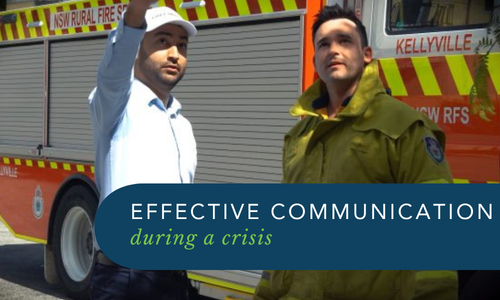
Effective communication is one of the most critical elements of emergency management. When planning how to communicate during an emergency event, your Emergency Planning Committee (EPC) must consider several key factors to ensure clarity, coordination, and timely decision making.
The following guidance outlines the essential questions and structures that support strong communication practices across your Emergency Control Organisation (ECO).
Who Needs to Be Involved?
Clear communication begins with a wellprepared ECO. Chief Wardens, Wardens, and any additional members must share a consistent understanding of the facility’s emergency procedures.
Key considerations include:
Which ECO member is responsible for making sure the initial 000 call is made?
Do you have a range of communication methods available to cover all your communication needs and objectives?
Do you have enough team members to attend the Fire Indicator Panel (FIP), if applicable, to ensure accurate information transfer?
Do all ECO members understand their roles and responsibilities and how to use the various communication methods during an event?
Selecting the right ECO personnel is crucial. Important attributes include:
Critical thinking
Willingness to take control and lead
Clear communication skills
Calmness and Confidence under pressure
Having an up-to-date Emergency Plan—and ensuring all ECO members know where to access it—is fundamental.
What Information Must Be Collected and Communicated?
During an emergency, information must be captured accurately and communicated quickly. Your team should understand:
What information needs to be recorded during the event?
How are the details of the threat passed on through the ECO structure?
What details emergency services require during the 000 call?
What information must be relayed to responders upon arrival?
Communication is essential to raise the alarm and alert occupants and other relevant stakeholders, to gather information about the emergency threat and to provide instructions and directions to occupants to let them know what response needs to happen.
Crisis situations trigger the body’s natural Fight, Flight, or Freeze response. This can influence behaviour and decision making, so systems and support structures must be in place to help ECO members remain calm and effective under pressure. Uncertainty or panic can delay response times and compromise safety. Conducting exercises and drills increases confidence, competence and effectiveness.
Where Will Communication Take Place?
Identify the location from where the Chief Warden will coordinate the emergency response. Consider:
Do you have a Fire Indicator Panel (FIP)?
If not, where is the most appropriate alternative location?
This location (Master Emergency Control Point-MECP) should allow for clear coordination and uninterrupted communication. The location is somewhere where the Chief Warden can remain and safely coordinate and communicate from and other ECO members and staff know where they are so they can communicate with the Chief Warden.
How Will You Communicate?
Communication tools vary depending on the facility and the resources available. Common systems include:
FIP and Occupant Warning System (OWS)
Mobile or landline phones
Two-way radios or walkie-talkies
Messaging applications
Physical runners
When choosing communication methods, assess:
The size and layout of the facility
The number and location of ECO members
How many staff require communication during the event?
Whether ECO members have access to, and confidence using, the selected tools
Are the communication methods available suitable to ensure the communication objectives are able to be achieved for the workplace?
Operational readiness also includes practical considerations:
Do systems require charging?
Are the devices stored in accessible, convenient locations?
Do team members know which channels or settings to use?
Regular turnover within teams highlights the importance of onboarding processes. New ECO members should receive timely training and clear expectations regarding communication protocols.
If there are system failures (eg, power outage) some communications methods may not work, so do you have alternate methods that can be used. You still have to be able to achieve your communication objectives with available methods.
Test and Validate Your Communication Systems
Even the best-designed communication plan needs to be practiced. Conduct regular drills and exercises to test:
System functionality
Team understanding
Response times
Communication accuracy
Observations and feedback from these exercises help identify gaps and strengthen your overall emergency preparedness.
Effective crisis communication relies on clear roles, reliable tools, and well-practiced procedures. By ensuring your ECO team understands who is responsible, what information must be shared, where coordination will occur, and how communication systems will operate, your organisation can respond more confidently and affectively during an emergency. Regular training and testing supports consistent performance, reduced uncertainty, and reinforces a culture of preparedness across the workplace.
GET IN TOUCH
Are you ready for peace of mind that your workforce is as safe and prepared as possible?
With a dedicated team of staff ready to help you meet compliance requirements and improve the overall safety of your workplace, all you need to do is get in touch.
Request your free audit today!