
Most workplaces have fire alarms, evacuation diagrams, and documented emergency procedures. But when a real emergency unfolds, those systems only work if there are people ready to activate them. That’s exactly what trained fire wardens provide.
Emergencies Create Confusion and Wardens Create Direction
The moment an alarm sounds, something predictable happens: people hesitate. Even in workplaces with clear procedures, staff will often stop and look around for cues from others.
Questions surface almost instantly, Is this a real alarm or just a test? Do I need to leave now? Which exit should I use? Who’s in charge? In the absence of clear direction, people may delay, cluster near familiar exits, re-enter to
retrieve belongings, or simply wait to see what everyone else does. That hesitation costs time. And in an emergency, time matters.
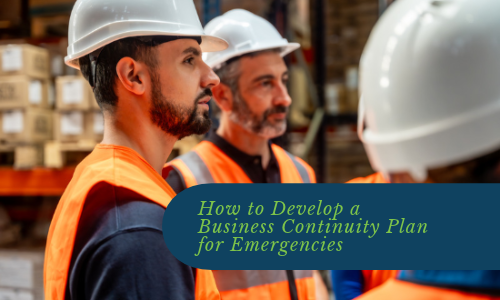
A trained fire warden eliminates that uncertainty. When staff can see an identifiable warden actively managing the response, it anchors their behaviour and creates direction and confidence.
Fire Wardens Within a Structured Emergency Response
Australian workplaces are guided by AS 3745 Planning for Emergencies in Facilities, which requires that organisations establish a formal Emergency Control Organisation (ECO). This structure provides a clear chain of command that activates during any emergency, not just fires.
A typical ECO includes:
– Chief Warden
– Area Wardens (responsible for specific zones or floors)
– Wardens
– First Aid Officers
What’s important to understand is that this structure temporarily supersedes the normal management hierarchy. During an emergency, a relatively junior Area Warden may be directing the movements of senior staff. That only works if the structure has been established in advance, everyone understands their role, and wardens have the training and confidence to act on it.
Fire wardens sit at the operational core of this system. Their responsibilities include:
– Initiating and directing evacuation procedures
– Conducting systematic sweeps to confirm all occupants have exited
– Identifying and assisting anyone who needs help evacuating, including visitors, contractors, or people with mobility limitations
– Relaying critical information to the Chief Warden
– Supporting emergency services when they arrive on site
Why Appointment Alone Is Not Enough
Effective wardens need proper training to develop practical skills they can access under pressure. That includes understanding their responsibilities, knowing how to communicate clearly and calmly when people are anxious or reluctant to move, how to coordinate with other wardens and the Chief Warden, how to identify hazards during an evacuation, and how to provide targeted assistance to people with specific needs.
Professional fire warden training builds the confidence to act — because knowing what to do and being able to do it under pressure are two very different things.
Warden training is also not a one-time event. Staff turnover. Roles change. Building layouts are modified. Annual refreshers ensure wardens remain current and that new staff are integrated into the ECO effectively.
Evacuation Drills
One of the most consistent findings in emergency preparedness work is that organisations significantly overestimate how well their staff know emergency procedures, until they run a drill.
Evacuation exercises routinely uncover issues that exist entirely beneath the surface of day- to-day operations:
– Staff unaware of where the assembly area is located
– Wardens unsure of their zone boundaries
– Evacuation routes partially blocked by stored equipment
– Communication breakdowns between levels or areas of a building
– Confusion about who assumes the Chief Warden role when the primary appointee is absent
None of these are unusual, and none reflect poorly on the organisations that discover them. The point of an exercise is to find these gaps before they become consequences. That’s why treating drills as genuine rehearsals, rather than inconvenient compliance exercises reflects a mature approach to safety management.
Emergency Preparedness as Safety Culture
Having a trained, structured ECO signals to employees that the organisation has thought carefully about their safety. It reduces anxiety in everyday working life, not just during emergencies. Staff who understand the procedures and trust the people in warden roles are more likely to respond quickly and appropriately when something does happen.
What Professional Training Covers
A professional fire warden training engagement for businesses can include:
– Fire Warden and Chief Warden training
– Workplace evacuation exercises
– Emergency procedure reviews
– ECO establishment and documentation
– Fire safety awareness sessions for all staff
Even a half-day training session can produce a measurable improvement in how confidently and effectively your team responds to an emergency.
If you would like to book a training session with our WEM team, please get in contact with our friendly trainer consultants today.
GET IN TOUCH
Are you ready for peace of mind that your workforce is as safe and prepared as possible?
With a dedicated team of staff ready to help you meet compliance requirements and improve the overall safety of your workplace, all you need to do is get in touch.
Request your free audit today!