Most businesses can point to a folder (physical or digital) that holds their safety documentation. There’s an Emergency Plan, maybe some checklists, a few certificates from the last training session. Technically, the boxes are ticked. But if the honest answer to “does your team actually know what to do in an emergency?” is a hesitant “probably,” then compliance and culture are not the same thing and that gap is worth paying attention to.
Workplace safety legislation in Australia sets a minimum standard, and meeting it matters. But the businesses that genuinely protect their people and workplace are the ones that go beyond what’s required. They’ve moved from safety as a document to safety as a habit and the difference shows up when things go wrong.
So what does a proactive safety culture actually look like?
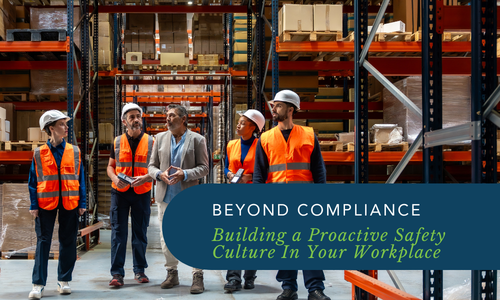
It starts with awareness. In a reactive workplace, safety is something that gets revisited after an incident, or when an audit is coming up. In a proactive one, it’s woven into the everyday. Team members know where the exits are not because they were told once during onboarding, but because regular drills and conversations have made it second nature. Wardens know their roles. Managers understand their responsibilities. And importantly, people feel comfortable raising concerns before something becomes a problem.
Leadership plays a significant role here. When safety is visibly prioritised at a management level, not just communicated via a policy email, it sets the tone for everyone else. Teams follow what they see modelled, not just what they’re told.
Training is another cornerstone. Compliance might mean having a first aid certificate on file. A proactive approach means having trained people who are confident and capable, whose skills are refreshed regularly, and who aren’t caught off guard because it’s been three years since they last practised. The same applies to emergency wardens, knowing the theory is very different from having walked through it.
There’s also the question of planning. A reactive business dusts off its Emergency Plan when it has to. A proactive one treats it as a living document, reviewed when staff change, when the building changes, when the business changes. It gets tested, not just filed.
Why does it matter beyond the legal obligation?
The impact of a serious workplace incident extends well beyond the immediate moment. There’s the human cost — injury, trauma, time away from work. There’s the operational disruption. And there are the reputational and legal consequences that can follow when it’s found that reasonable precautions weren’t taken. Safe Work Australia data consistently shows that incidents are more likely to occur in environments where safety culture is weak, regardless of whether paperwork is technically in order.
Beyond risk reduction, there’s a strong case for culture itself. Workplaces where people feel genuinely safe, where they trust that the organisation takes their wellbeing seriously, tend to have better engagement, lower turnover, and stronger team cohesion. Safety becomes something people invest in, rather than something done to them.
Where do you start?
For many businesses, the honest starting point is an audit of where things currently stand. Not just the paperwork, but the practical reality, do wardens know who they are? Has anyone walked the evacuation route recently? Is first aid training current? Do staff know what the emergency signals mean?
From there, it’s about building systems that keep safety alive between incidents, not just in response to them. That means regular training, clear communication, defined roles, and a plan that’s genuinely fit for the workplace it’s meant to protect.
Shifting from compliance to culture doesn’t happen overnight, and it doesn’t have to happen alone. If your business is at the point of wondering whether what’s in place is actually enough, that question alone is a good place to start. It’s exactly the kind of conversation WEM has every day, and we’d be glad to have it with you.
GET IN TOUCH
Are you ready for peace of mind that your workforce is as safe and prepared as possible?
With a dedicated team of staff ready to help you meet compliance requirements and improve the overall safety of your workplace, all you need to do is get in touch.
Request your free audit today!