Aged Care is an ever-changing health sector that faces many challenges. With the implementation of the new aged care standards there is an increased demand on staff. In an industry based in maintaining the independence and welfare of our aged community, safety is a key part of the newly upgraded standards.
The following blog will outline the types of emergency equipment, the importance of proper placement, the inspection of the equipment and the training of staff if they choose to use these resources.
Types of Emergency Equipment
Extinguishers
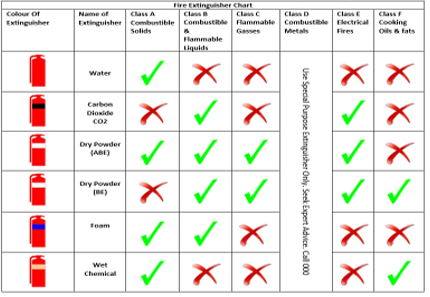
There are basically five different types of extinguishers – Water, Co2, Dry Powder, Foam and Wet Chemical .
Special considerations are required prior to using the extinguisher.
Considerations such as:
- Do we know what caused the fire to start?
- Is everyone safe away from the fire and smoke?
- What is the class of fire?
- Choosing the right extinguisher for the class of fire
- Am I trained and is it safe to use an extinguisher?
Once those considerations are made we can select an extinguisher and attempt to extinguish the fire using the PASS Method. One should always have access to a nearby exit if doing so.
P – Pull Pin
A – Aim (Test)
S – Squeeze
S – Sweep
Input Systems / Alarms
Input systems are important in an aged care setting as they provide an extra level of security to the facility that aims to alert and initiate response from staff. Input systems include:
- Smoke/Thermal/Heat Detectors: If triggered will initiate the alert tones indicating a possible change in temperature and or the presence of fire/smoke.
- Sprinklers: Will activate if the heat from the fire reaches a specific temperature and will burst causing water to flow in the immediate area below them.
Alarm Systems:
MCP – Manual Call Points are used to begin the alert system and notify the emergency services via the alarm signalling equipment. These alert devices are manually pressed by staff.
Alert Tones – Sound for around 90 seconds, initiate staff to investigate location of the alert.
Evacuation Tones – Initiate staff to evacuate all residents, staff, visitors and contractors to a safe zone beyond a fire/smoke door.
Fire Indicator Panel (FIP) – This panel is where a fire alarm system is managed. It includes an LED screen which identifies the status of the alarm system and location of an activation on the alarm. It may also incorporate an Occupant Warning System (OWS) with a PA system to communicate throughout the facility. This is often where the Chief Warden (Emergency Coordinator), will coordinate the response from.
Emergency Warning Intercommunication System (EWIS) – This is a communication and alert system sometimes installed in conjunction with the fire alarm system. It will incorporate Warden Intercom Point (WIP) phones. These ‘Red’ phones are a direct line of communication between the FIP and the location of the WIP in various areas of the facility and are used by members of the Emergency Control Organisation (Wardens).
Facilities will have other resources and equipment that will need to be used in an emergency, including First Aid kits and AED’s, communication devices, mobility equipment and portable oxygen tanks.
GET IN TOUCH
Are you ready for peace of mind that your workforce is as safe and prepared as possible?
With a dedicated team of staff ready to help you meet compliance requirements and improve the overall safety of your workplace, all you need to do is get in touch.
Request your free audit today!