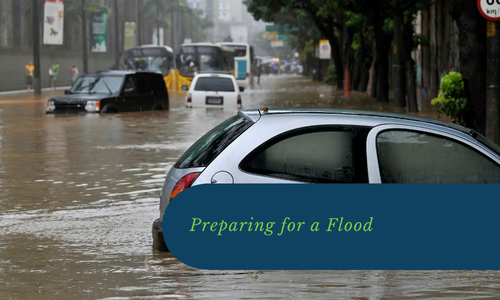
Flooding continues to be one of Australia’s most damaging and recurrent natural disasters. From the east coast floods of 2022 to the regular inundation of rural and regional communities, the impact of floods on businesses, infrastructure, and lives is profound and long lasting.
As organisations begin the process of recovery, one area that demands renewed attention is the Emergency Control Organisation (ECO). Often overlooked once the initial emergency passes, the ECO plays a critical role not just in immediate response but also in supporting legislative compliance, business continuity, and workplace safety during the recovery phase.
The Legislative Framework for Emergency Preparedness
In Australia, workplaces are legally required to have emergency management systems in place under several key pieces of legislation and regulation, including:
- Work Health and Safety Act 2011 (Commonwealth) and equivalent state-based legislation
- Australian Standard AS 3745-2010 – Planning for emergencies in facilities
- AS 4083-2010 – Planning for emergencies in healthcare facilities (where applicable)
These standards mandate that facilities must:
- Establish and maintain an Emergency Control Organisation (ECO)
- Conduct regular training and evacuation exercises
- Implement and review Emergency Plans
- Ensure competent personnel are appointed to emergency roles
Following a flood or similar natural disaster, these requirements don’t lapse; they become even more critical.
An ECO is not just a procedural requirement; it is an operational necessity. It includes roles such as Chief Warden, Deputy Wardens, Communication Officers, and Area/Floor Wardens, First Aiders all trained to coordinate emergency response and evacuation procedures.
In the context of flood recovery, ECOs serve three essential purposes:
- Reassessing Site Safety Post-Incident
After floodwaters recede, buildings must be reassessed for structural integrity, electrical safety, and contamination. The ECO assists in managing re-entry protocols, liaising with emergency services and service professionals, and ensuring workers are not exposed to residual hazards.
- Maintaining Compliance Through Transition
Legally, businesses must still provide a safe working environment during recovery. That includes updated evacuation diagrams, clearly marked emergency exits, and trained personnel in place even if the workplace is temporarily relocated. The ECO ensures continuity of compliance under AS 3745 and WHS regulations during transitional operations.
- Supporting Organisational Resilience
Beyond compliance, a well prepared and well-supported ECO helps maintain calm, structure, and accountability across a business in crisis. The ECO ensures that the organisation is not only returning to normal but improving its readiness for future incidents.
Practical Considerations for Employers During Flood Recovery
To strengthen emergency readiness and legislative compliance during recovery:
Review and revise your Emergency Plan: Flood recovery often results in changed layouts, hazards, and occupancy patterns. Plans and diagrams must be updated accordingly.
Re-establish ECO roles: Staff turnover, displacement, or psychological fatigue may reduce ECO capacity. Reappoint and retrain where needed.
Conduct a post incident debrief to help support staff: Under AS 3745, organisations should conduct post emergency reviews to evaluate ECO performance, response effectiveness and implement improvements.
Provide refresher training: Rebuild team capability with updated training on emergency procedures, particularly where risk profiles have changed due to flood impacts.
Future Proofing Through Preparedness
Flood’s a recurring business continuity risk. Maintaining a compliant and capable Emergency Control Organisation central to protecting people, fulfilling legislative obligations, and building workplace resilience.
Flood recovery is about more than drying out carpets and reopening doors. It’s about rebuilding smarter, safer, and stronger with the ECO at the core of your emergency management framework.
GET IN TOUCH
Are you ready for peace of mind that your workforce is as safe and prepared as possible?
With a dedicated team of staff ready to help you meet compliance requirements and improve the overall safety of your workplace, all you need to do is get in touch.
Request your free audit today!